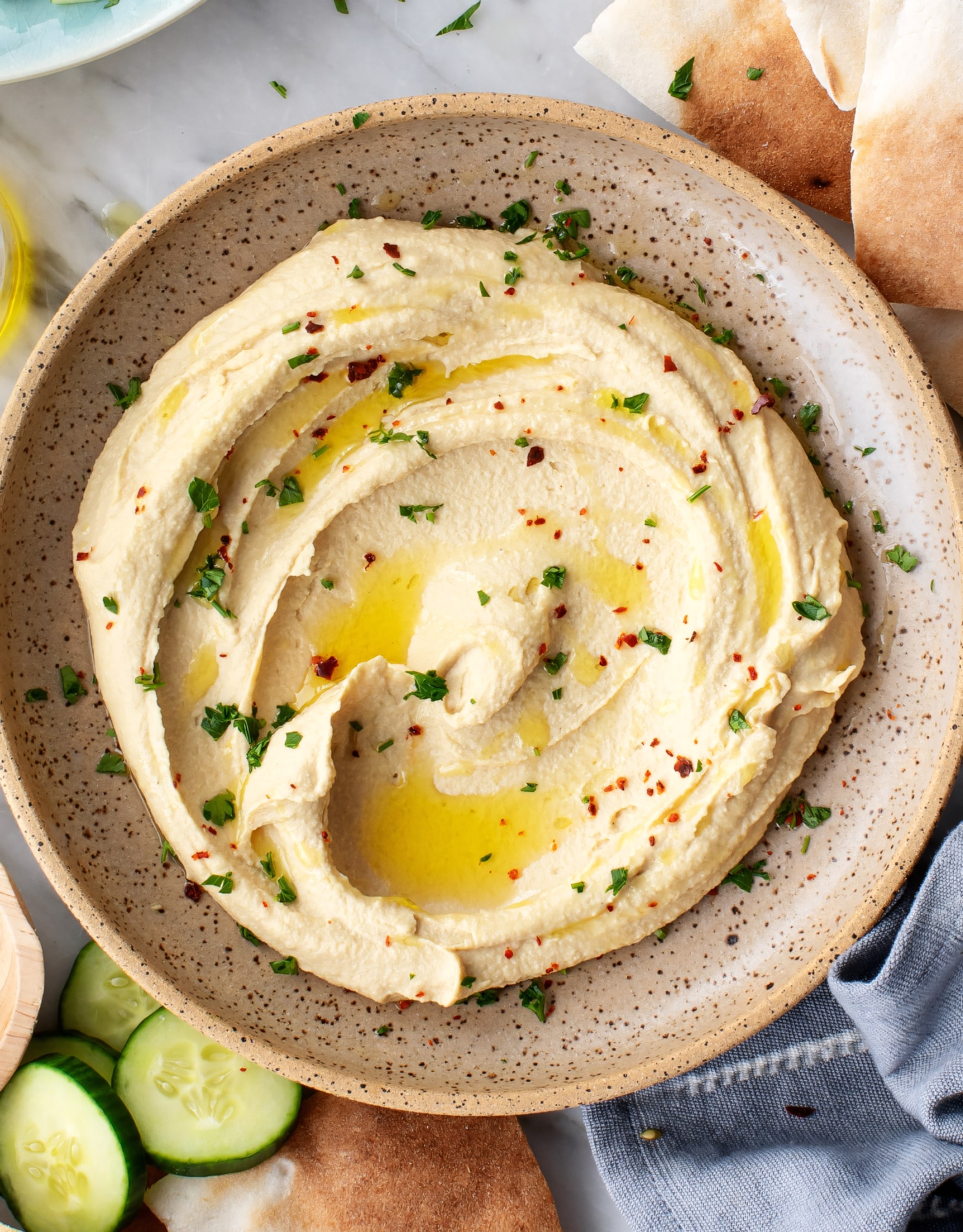
Achieve Perfect Hummus: Essential Ingredients & Expert Tips
Forget bland, store-bought spreads that lack the vibrant flavor and silky texture of true homemade hummus. Crafting your own classic hummus recipe is a remarkably simple process that yields an incredibly rewarding result – a creamy, smooth, and utterly delicious dip that will elevate any meal or snack. Whether you're a seasoned chef or a kitchen novice, mastering the art of homemade hummus is well within reach, and once you try it, you'll wonder why you ever settled for anything less. This comprehensive guide will walk you through the essential ingredients and share expert tips to ensure your hummus is nothing short of perfection.
The Foundation of Flavor: Essential Ingredients for Your Classic Hummus
The secret to an outstanding classic hummus recipe lies in the quality and proper preparation of its core components. While the list is short, each ingredient plays a crucial role in achieving that signature taste and texture.
- Chickpeas (Garbanzo Beans): The Heart of Hummus
The star of the show, chickpeas (also known as garbanzo beans) dictate the body and earthiness of your hummus. For the absolute best, creamiest, and most authentic result, consider cooking dried chickpeas from scratch. This involves an overnight soak followed by boiling until incredibly tender. While it adds a bit of time, the payoff in flavor and texture is truly worth it, as freshly cooked chickpeas yield a richer, less starchy taste. For those seeking ultimate smoothness, many experts even recommend *peeling* each chickpea after cooking – a meticulous step that removes the tougher outer skin, resulting in an unparalleled velvety consistency. If time is a constraint, two 15-ounce cans of good-quality chickpeas, thoroughly drained and rinsed, are a perfectly acceptable alternative. Remember to reserve some of the chickpea liquid (aquafaba) from the can; it's a vital tool for achieving the ideal consistency.
- Tahini: The Unsung Hero of Creaminess
Often misunderstood, tahini is a rich, nutty paste made from toasted ground sesame seeds, and its quality *cannot* be overstated. A good tahini is fluid, light in color, and has a mild, nutty flavor without bitterness. Poor-quality tahini can make your hummus gritty or astringent, so invest in a reputable brand. It provides the essential creaminess, depth, and unique flavor profile that defines classic hummus. Always stir your tahini thoroughly before measuring, as the oil can separate.
- Fresh Lemon Juice: The Brightness Factor
Freshly squeezed lemon juice is non-negotiable. It provides a crucial burst of acidity that cuts through the richness of the tahini and chickpeas, lifting the entire flavor profile. Bottled lemon juice simply doesn't offer the same vibrant, zesty punch. You'll typically need about a quarter cup, but tasting and adjusting is key.
- Garlic: The Aromatic Backbone
Garlic adds a pungent, aromatic warmth that is fundamental to a classic hummus recipe. Start with one to two cloves, finely minced, to avoid overpowering the other flavors. For a milder, sweeter garlic note, you can even roast the garlic cloves before adding them to the food processor.
- Extra Virgin Olive Oil: For Blending & Finishing
A high-quality extra virgin olive oil serves a dual purpose. A portion is slowly drizzled into the food processor during blending, helping to create a smooth emulsion and adding a fruity undertone. The remaining olive oil is reserved for serving, generously drizzled over the finished hummus for an authentic presentation and a final flourish of rich flavor. The better the oil, the better your hummus will taste.
- Kosher Salt: The Flavor Enhancer
A pinch of kosher salt is all it takes to enhance and balance the flavors of all the other ingredients. Start with about a teaspoon, then taste and adjust as needed. It's much easier to add more salt than to fix overly salty hummus!
- Ground Cumin (Optional, but Recommended)
While not every traditional recipe includes it, a teaspoon of ground cumin adds a wonderful earthy warmth and depth that complements the chickpeas beautifully, making your hummus more complex and aromatic.
Mastering the Method: Step-by-Step for a Silky Smooth Classic Hummus
Achieving that coveted smooth and creamy texture is all about the technique used with your food processor. Here’s how to do it:
- Combine Initial Ingredients: In your food processor, combine the drained chickpeas (and peeled, if you're going for ultimate smoothness), fresh lemon juice, tahini, minced garlic, and ground cumin (if using).
- Pulse to a Rough Paste: Begin by pulsing these ingredients until a thick, somewhat rough paste forms. Scrape down the sides of the bowl periodically to ensure everything is evenly incorporated.
- Slowly Emulsify with Olive Oil: With the food processor motor running, slowly pour in about half a cup of extra-virgin olive oil in a steady, thin stream. This slow addition is crucial for emulsifying the oil into the mixture, creating a stable, smooth base.
- Add Salt and Puree Until Velvety: Add your kosher salt and continue to puree the mixture. Let the food processor run for a good 3-5 minutes, or even longer. This extended blending time is key to breaking down the chickpeas completely and achieving an incredibly smooth, almost ethereal consistency. Scrape down the sides as needed.
- Adjust Consistency with Reserved Liquid: If your hummus is too thick – and it likely will be – slowly add the reserved chickpea liquid (aquafaba), 2 tablespoons at a time, with the motor still running. Continue adding and blending until your hummus reaches the desired creamy, spreadable consistency. It should be thick enough to hold its shape but smooth enough to easily scoop. For more tips on achieving the perfect texture, check out our guide on Master the Best Homemade Hummus: Smooth, Creamy & Flavorful.
Expert Tips & Tricks for Hummus Perfection
Beyond the basic recipe, a few insider tips can truly elevate your classic hummus recipe from good to extraordinary:
- Warm Chickpeas are Best: If using canned chickpeas, briefly warm them on the stovetop or in the microwave before adding them to the food processor. Warm chickpeas break down more easily, resulting in a smoother hummus.
- The Ice Water Secret: Some chefs swear by adding a few ice cubes or a splash of ice-cold water during the final blending stage. This helps to aerate the hummus, making it lighter and fluffier.
- Patience is a Virtue: Don't rush the blending process. The longer you process, the smoother and creamier your hummus will become. Really let that food processor work its magic.
- Taste and Adjust: Always taste your hummus before serving. Does it need more salt? A little extra lemon juice for brightness? Perhaps another pinch of cumin? Trust your palate to perfect the balance of flavors.
- Scrape, Scrape, Scrape: Frequently stop the food processor and scrape down the sides of the bowl. This ensures all ingredients are thoroughly blended and prevents chunky pockets.
- Storage: Store any leftover hummus in an airtight container in the refrigerator for up to 5 days. A thin layer of olive oil on top can help keep it fresh and prevent it from drying out. Making homemade hummus is so easy and delicious, you'll want to Easy 6-Ingredient Hummus: Skip Store-Bought, Get Creamy Smooth!
Elevate Your Classic Hummus: Serving Suggestions & Creative Uses
Once you've achieved your perfect classic hummus, the fun doesn't stop there. Presentation and pairing are key to enjoying this versatile dip.
To serve, transfer your hummus to a shallow serving bowl and create a swirl on top with the back of a spoon. Drizzle generously with your best extra virgin olive oil. For garnish, consider a sprinkle of smoked paprika for color and a hint of smoky flavor, a pinch of tangy sumac, a scattering of fresh parsley, or even a few whole chickpeas right in the center.
Hummus is incredibly versatile and goes well with almost everything. Serve it traditionally with fresh vegetable crudités (carrots, cucumber, bell peppers, celery) and warm pita bread or crunchy pita chips. But don't limit yourself! Use it as a healthy spread for sandwiches and wraps, a base for layered dishes (think a bed of hummus topped with roasted vegetables or spiced ground meat), or even as a flavorful accompaniment to grilled chicken, fish, or falafel. It's a staple that truly goes on almost anything.
Embarking on the journey to make your own classic hummus recipe is a decision you won't regret. With a few quality ingredients and some simple techniques, you'll be creating smooth, creamy, and flavorful hummus that far surpasses any store-bought version. Enjoy the process, savor the taste, and get ready to impress your friends and family with this timeless Middle Eastern delight!